Pranayama vs Somatic Breathwork | Complete Beginner’s Guide (2026)
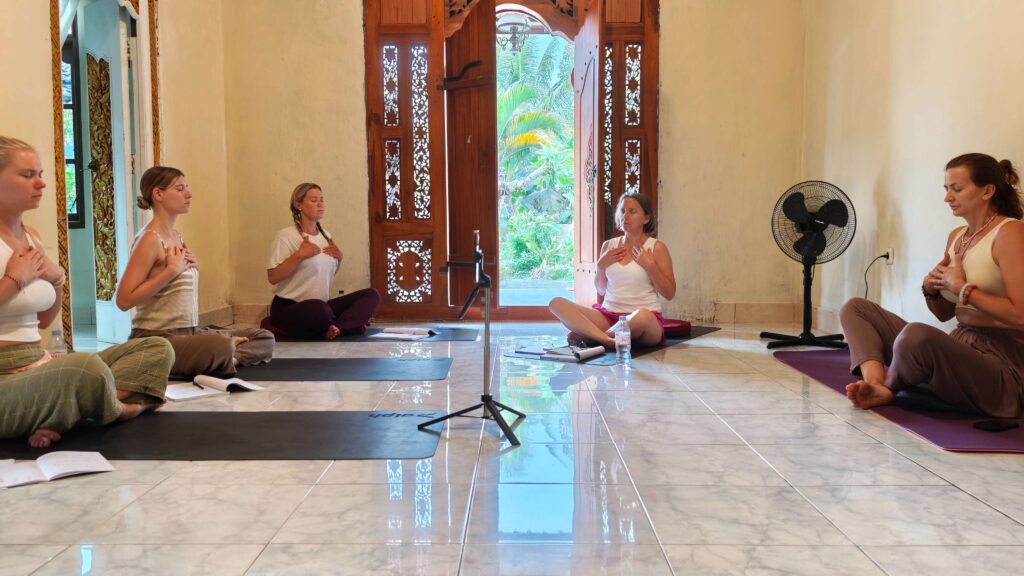
Breathing is the first thing we do when we are born and one of the last things we do before we leave this world. Yet most people spend their entire lives without consciously learning how to breathe. That’s exactly the question at the heart of the Pranayama vs Somatic Breathwork conversation — two of the most talked-about approaches to conscious breathing today.
In recent years, breathwork has become one of the fastest-growing wellness practices worldwide. From yoga studios and meditation retreats to hospitals, corporate wellness programs, and mental well-being workshops, conscious breathing is now recognized as a valuable tool for supporting stress management, emotional regulation, and overall well-being.
Among the many approaches available today, two of the most commonly discussed are Pranayama and Somatic Breathwork. Although both involve conscious breathing, they arise from different traditions, philosophies, and teaching methods.
Pranayama is rooted in thousands of years of yogic wisdom. It focuses on regulating the breath to influence prana (vital life force), preparing the practitioner for meditation, self-discipline, and expanded awareness.
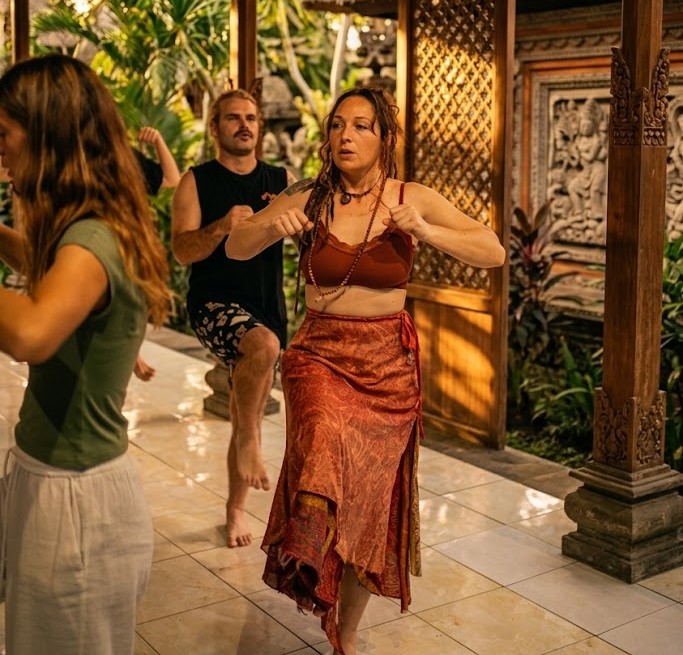
Somatic Breathwork, by contrast, is a modern, body-centered practice that combines breathing with movement, awareness, emotional expression, and nervous system regulation. Rather than emphasizing precise breathing ratios, it encourages participants to reconnect with bodily sensations and cultivate embodied presence.
Neither method is inherently better. They simply serve different intentions.
If your goal is spiritual discipline, meditation, and mastery of the breath, Pranayama may be your ideal path. If you are looking to reconnect with your body, deepen self-awareness, and explore breath through movement and embodied practices, Somatic Breathwork may resonate more strongly.
In this guide, we compare these approaches in detail, review what current research says, explain who each practice may suit best, and explore how some modern teachers integrate ancient yogic wisdom with contemporary somatic techniques.
What is Pranayama?
The Sanskrit word Pranayama combines two terms:
- Prana – life force or vital energy
- Ayama – expansion, regulation, or extension
In classical yoga, Pranayama is considered far more than a breathing exercise. It is a disciplined practice intended to regulate the flow of prana, steady the mind, and prepare practitioners for meditation. If you want to build a daily practice, an online Pranayama course is a practical way to start under guided instruction.
Pranayama is described in foundational yogic texts such as the Yoga Sutras of Patanjali, the Hatha Yoga Pradipika, and the Gheranda Samhita — part of the eight limbs of yoga outlined by organizations like Yoga Alliance. Over centuries, these teachings have become an essential part of traditional yoga.
Common Pranayama Practices
- Nadi Shodhana
- Ujjayi
- Bhastrika
- Bhramari
- Sheetali
- Sheetkari
- Surya Bhedana
- Chandra Bhedana
- Kumbhaka (breath retention)
Those wanting a more immersive, in-person foundation can also join a Pranayama course in Bali, where techniques are taught progressively alongside meditation.
Traditional Objectives
- Improve concentration
- Prepare for meditation
- Balance the nervous system
- Enhance respiratory efficiency
- Cultivate discipline and self-awareness
- Support yogic and spiritual development
What is Somatic Breathwork?
The word Somatic comes from the Greek word Soma, meaning “the living body.” Somatic Breathwork is a contemporary approach that combines conscious breathing with body awareness. Depending on the facilitator and modality, sessions may also include movement, sound, mindfulness, guided meditation, music, visualization, or expressive practices.
Rather than focusing primarily on controlling the breath, Somatic Breathwork emphasizes developing awareness of physical sensations, emotional experiences, and the relationship between breath and the body. Many practitioners report that these practices help them feel more connected to themselves, more present, and better able to manage stress. If you’re curious about facilitating rather than just practicing, this somatic breathwork training guide for future facilitators is a useful next step.
Core Characteristics
- Conscious connected breathing
- Body awareness
- Gentle movement
- Mindfulness
- Emotional awareness
- Relaxation
- Nervous system regulation
Pranayama vs. Somatic Breathwork
For a side-by-side breakdown of how these two paths differ in origin, structure, and intention, this guide on the difference between Pranayama and breathwork covers the distinction in more depth.
| Feature | Pranayama | Somatic Breathwork |
|---|---|---|
| Origin | Ancient India | Modern body-centered approaches |
| Primary Focus | Regulation of prana | Embodied awareness |
| Structure | Highly structured | Flexible and experiential |
| Breath Pattern | Specific techniques | Varies by facilitator |
| Movement | Usually seated | Often includes movement |
| Meditation | Primary goal | Often integrated |
| Emotional Awareness | Indirect | Frequently emphasized |
| Philosophy | Yogic | Integrative and multidisciplinary |
| Learning Style | Progressive discipline | Experiential practice |

Scientific Research and Evidence
Scientific research on breathing practices continues to grow. Studies suggest that intentional breathing practices may support:
- Reduced perceived stress
- Improved respiratory function
- Better heart rate variability
- Enhanced attention and focus
- Relaxation
- Improved emotional regulation
The strength of evidence varies depending on the breathing technique, the population studied, and the outcomes measured. While many findings are encouraging, breathwork should be viewed as a complementary wellness practice rather than a replacement for medical or psychological care when those are needed.
Which Practice Is Right for You?
Choose Pranayama If You Want
- Traditional yoga
- Meditation preparation
- Daily discipline
- Breath mastery
- Spiritual development
- Classical yogic philosophy
Choose Somatic Breathwork If You Want
- Greater body awareness
- A more experiential practice
- Breath integrated with movement
- Support for relaxation and stress management
- Exploration of the mind-body connection
Many experienced teachers believe these approaches can complement one another rather than compete — which is why structured programs like an online breathwork training course often introduce both.
Benefits and Limitations
Benefits of Pranayama
- Time-tested tradition
- Supports meditation
- Improves breath awareness
- Structured progression
- Can be practiced daily
Limitations
- Requires patience
- Some techniques should be learned under qualified guidance
- Breath retention practices may not be appropriate for everyone
Benefits of Somatic Breathwork
- Highly experiential
- Encourages body awareness
- Accessible for many beginners
- Can integrate movement and mindfulness
- Often practiced in supportive group settings
Limitations
- Teaching methods vary widely
- Quality depends on facilitator training
- Some intensive breathing practices may not suit every individual
Shamanic Breathwork with Movement & Pulse Meditation by Sarvottam Ji
One example of an integrated somatic approach is Shamanic Breathwork with Movement & Pulse Meditation, developed and taught by Sarvottam Ji through Mantra Yoga & Meditation School and Bali Yoga Center. According to the school’s teaching approach, the method combines conscious connected breathing with intentional body movement, rhythmic music, meditation, and mindful awareness to create a deeply immersive, embodied experience. You can read more about the roots of this style in Sarvottam’s Kundalini Breathwork teachings.
A distinctive feature of the practice is the integration of Pulse Meditation, which is designed to guide participants from states of heightened emotional activation toward progressively subtler levels of awareness, observation, and inner stillness. Rather than focusing solely on regulating the breath, the method encourages practitioners to engage the whole body so that breath, movement, attention, and emotional awareness work together as a unified practice.
The school presents this approach as an integration of classical yogic principles with contemporary somatic techniques, aiming to support nervous system regulation, enhance body awareness, strengthen the mind-body connection, and foster personal growth through conscious breathing, movement, and meditation. As with any breathwork practice, individual experiences vary, and participants are encouraged to learn from qualified facilitators and practice within their own comfort and health considerations. Sessions combining breath with sound are also offered through this breathwork and sound healing training retreat in Ubud.
Why Bali Yoga Center and Mantra Yoga & Meditation School Teach Both Ancient and Modern Approaches
Modern students come from diverse backgrounds and goals. Some seek a traditional yogic path grounded in ancient philosophy, while others are drawn to contemporary practices that emphasize embodied awareness and stress management.
To address these varied needs, Bali Yoga Center and Mantra Yoga & Meditation School incorporate both classical Pranayama and selected modern breathwork approaches within their training programs. This integrated curriculum allows students to explore foundational yogic breathing techniques alongside guided experiential practices, helping them understand the distinctions, applications, and complementary nature of each approach. Students who want to go deeper often enroll in a full Breathwork Teacher Training in Bali, or the complementary Breathwork Teacher Training program at Mantra Yoga & Meditation School. The emphasis is on informed learning, practical experience, and responsible facilitation under trained instructors.
Frequently Asked Questions
1. Is Pranayama the same as Breathwork?
No. Pranayama is one branch of yogic breathing, while breathwork is a broader category encompassing many traditional and modern methods.
2. Which is better for beginners?
Both can be suitable when taught by qualified instructors. The best choice depends on your goals.
3. Can I practice both?
Yes. Many practitioners integrate both approaches.
4. Does Somatic Breathwork include movement?
Some forms do, while others are practiced lying down or seated.
5. Is Pranayama spiritual?
Traditionally, yes. It is part of the eight limbs of yoga.
6. Can breathwork reduce stress?
Many people find conscious breathing helpful for relaxation and stress management, though results vary.
7. Is Breathwork scientifically studied?
Yes. Research on breathing practices is expanding, although evidence differs by technique.
8. How long should I practice daily?
Beginners often start with 10–20 minutes under guidance.
9. Can everyone practice breathwork?
Most healthy adults can practice gentle techniques, but some intensive methods may not be appropriate for everyone.
10. Should I learn from a certified facilitator?
Yes. Proper instruction enhances both safety and effectiveness.
Conclusion
Pranayama and Somatic Breathwork represent two complementary pathways within the broader world of conscious breathing. One is deeply rooted in the ancient wisdom of yoga, emphasizing discipline, energetic awareness, and meditation. The other reflects a modern, body-centered approach that integrates breath with movement, mindfulness, and embodied awareness.
Rather than viewing these methods as opposing systems, many practitioners benefit from understanding both and choosing the approach that aligns with their intentions, experience, and personal goals. Whether your interest lies in developing a consistent yogic practice, enhancing self-awareness, or exploring contemporary breathwork modalities, learning from qualified teachers is key to a safe and meaningful experience.
Call to Action
Interested in exploring both classical Pranayama and modern Somatic Breathwork?
Join a Breathwork Teacher Training or immersive retreat to experience these practices through guided instruction, develop a deeper understanding of conscious breathing, and learn how ancient traditions and modern approaches can complement one another in personal practice. Practitioners ready to take their training further can also explore the Advanced Breathwork Teacher Training in Bali.